A look inside to positive learning experiences with Dog Training Santa Rosa Beach
Enhance Your Dog's Behavior With These Proven Dog Training Strategies and Resources
Improving a dog's behavior is important for a harmonious partnership between pet and owner. Various training techniques can be applied, concentrating on favorable reinforcement and uniformity - Puppy Trainer Near Me. Comprehending canine behavior lays the structure for reliable training. This discussion will cover important commands, the importance of socializing, and how to resolve typical issues. As these methods unfold, the path to a well-adjusted friend ends up being more clear. What particular obstacles might emerge in this journey?
Recognizing Dog Behavior
Recognizing canine behavior is vital for reliable dog training, as it allows fitness instructors to respond properly to a dog's reactions and needs. Canines connect through body movement, articulations, and actions, making it important for trainers to observe and analyze these signals properly. Identifying indications of anxiety, excitement, or tension aids trainers adjust their techniques to produce a favorable knowing atmosphere. In addition, recognizing a dog's breed attributes and individual personality can substantially influence training methods. Reliable trainers take some time to develop depend on and develop a bond with the dog, advertising teamwork. This fundamental understanding of canine behavior not only enhances training success but also fosters a much deeper link in between the dog and fitness instructor, eventually causing a much more harmonious relationship.
The Power of Positive Support
Favorable support is a powerful tool in dog training, advertising wanted actions with benefits rather than penalty. This strategy not just improves the bond between the dog and trainer but additionally increases the likelihood of effective learning - 30A Dog Training. Different techniques can be employed to make the most of the effectiveness of favorable support, making sure a more enjoyable training experience for both celebrations involved
Advantages of Positive Support
Methods for Efficient Training
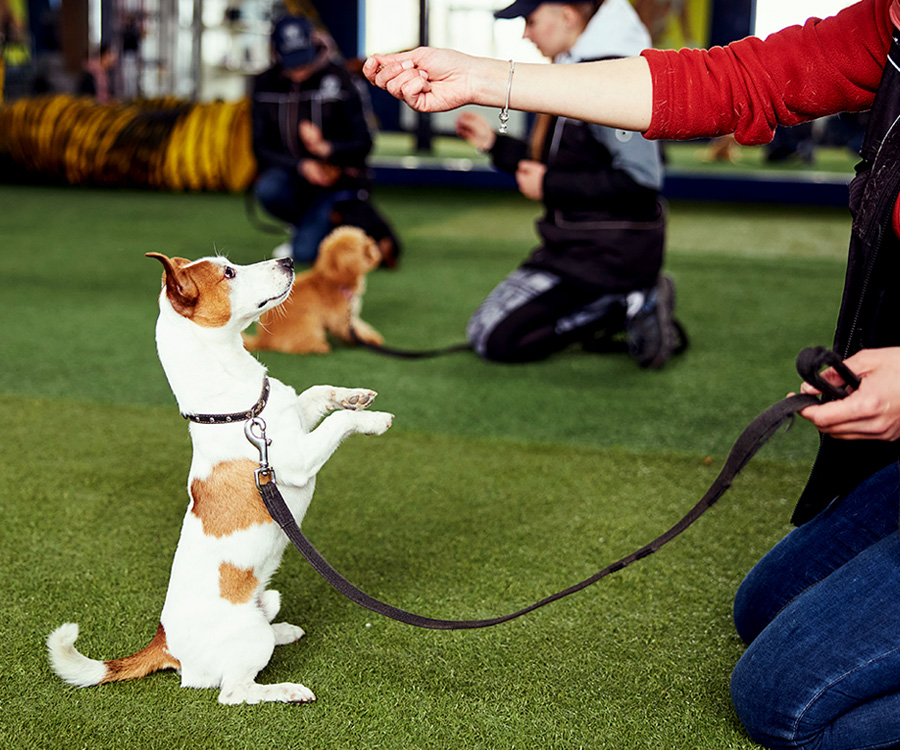
Reliable training depends on a variety of strategies that harness the power of favorable reinforcement. This approach urges preferred behaviors by fulfilling pet dogs with treats, appreciation, or playtime quickly following the correct action. Timing is vital; benefits must be provided promptly to produce a clear connection in between behavior and reinforcement. Uniformity additionally enhances performance, as canines discover finest through duplicated exposure to certain cues and benefits. Differing benefits can maintain a dog's passion and inspiration (Puppy Trainer Near Me). Integrating clicker training is an additional effective technique, as it gives a distinct audio that notes the desired behavior. By making use of these techniques, dog owners can promote a favorable knowing setting, leading to improved behavior and a more powerful bond in between them and their pets
Fundamental Commands Every Dog Must Know
Recognizing basic commands is essential for efficient dog training. These important commands not just enhance communication between the dog and the proprietor yet also promote security and etiquette. Educating strategies, in addition to the importance of consistency and patience, play an important function in grasping these commands.
Necessary Commands Review
A trained dog can greatly enhance the bond between pet and owner, making fundamental commands vital for every canine companion. Basic commands such as "sit," "remain," "come," and "down" create the structure of reliable interaction in between pets and their owners. These commands not just assure the security of the dog however likewise promote etiquette in various scenarios. "Leave it" is an additional crucial command, assisting to avoid canines from engaging with possibly unsafe things or materials. Additionally, "heel" encourages proper leash manners, enhancing walks and getaways. Understanding these essential commands fosters a considerate partnership, making daily communications extra satisfying and manageable. Ultimately, these commands function as devices for better understanding and teamwork in between pets and their humans.
Training Strategies Described
Training techniques for standard commands are crucial for promoting a well-behaved dog. These fundamental commands include "rest," "stay," "come," and "down," which are essential for security and reliable communication. Using positive support, such as treats or appreciation, helps pets associate these commands with incentives. When educating "sit," the fitness instructor can delicately direct the dog right into a sitting setting while claiming the command. Repetition and progressive development are key; canines need to master one command prior to going on to another. Furthermore, making use of hand signals together with spoken commands can enhance understanding. Training sessions need to be appealing and brief to maintain the dog's interest. Understanding these standard commands establishes a strong bond between the dog and proprietor while ensuring a harmonious living setting.
Uniformity and Patience Significance
Consistency and perseverance are essential parts in the journey of teaching basic commands to dogs. When training, it is vital that proprietors use the very same commands and hints regularly to avoid puzzling their family pets. Canines prosper on regular, and clear, repeated guidelines help his explanation reinforce learning. In addition, perseverance enables for gradual progression, as every dog discovers at its own rate. Hurrying the process can lead to frustration for both the dog and proprietor, potentially hindering the training experience. Routine practice sessions, incorporated with favorable reinforcement, develop a supportive atmosphere that cultivates depend on and understanding. Eventually, a patient and constant approach not just boosts the dog's capability to learn commands yet also reinforces the bond between the dog and its proprietor.
Creating a Regular Training Schedule
Developing a constant training routine is necessary for efficient dog training. A well-defined routine helps dogs understand when to expect training sessions, promoting better behavior and discovering. Ideally, training must occur at the exact same time each day, enabling both the dog and trainer to prepare psychologically and physically. Short, constant sessions are more beneficial than longer, seldom ones, as they maintain the dog's interest and excitement. Incorporating different commands and activities within the routine can maintain the training engaging. In addition, consistency in the trainer's commands, incentives, and cues enhances discovering. By sticking to a structured schedule, dog owners can grow discipline and improve their animal's responsiveness, eventually resulting in a mannerly buddy.
Utilizing Training Devices and Resources
How can dog owners boost their training sessions? Making use of training tools and resources can considerably enhance performance. Remote control training tools, for circumstances, give prompt article responses, enhancing favorable behavior. Deals with, playthings, and training collars can likewise offer as motivation for canines, aiding in quicker discovering. On the internet systems and applications supply structured programs, allowing owners to accessibility specialist suggestions and track progression. Furthermore, training videos and publications existing different techniques, helping proprietors expand their technique. Regional training classes provide hands-on experience and foster area assistance, while dog training blogs and forums can share valuable understandings. By successfully integrating these tools and sources, dog owners can develop a much more engaging and productive training environment for their pet dogs.
Socializing: The Key to a Well-Behaved Dog
While many variables add to a well-behaved dog, socializing attracts attention as an essential component fit a pet's behavior and personality. Very early exposure to various atmospheres, people, and various other animals helps pets create confidence and adaptability. By introducing pups to diverse situations, such as various noises and views, they find out to navigate the world without concern or hostility. Socialization likewise assists in decreasing anxiousness and stopping behavior issues later in life. Normal interactions with other pets and people foster favorable experiences, promoting calm and pleasant behavior. Inevitably, a well-socialized dog is much more most likely to personify the qualities of a well-adjusted friend, making socialization an important facet of responsible animal possession and training.
Repairing Usual Behavioral Issues
A well-socialized dog is less likely to display behavioral issues, however obstacles can still arise. Common problems consist of too much barking, eating, and aggression. Understanding the origin is vital for reliable troubleshooting. Excessive barking may stem from boredom or anxiety; regular exercise and mental stimulation can help mitigate this behavior. Chewing frequently indicates a need for suitable outlets, such as toys or training to redirect focus. Aggression can be much more complex, requiring expert support to ensure safety and security. Addressing these issues requires patience, consistency, and favorable support methods. Proprietors ought to also monitor their pets' settings for triggers and carry out steady desensitization approaches. Eventually, each dog is special, requiring tailored approaches for effective behavior alteration.
Frequently Asked Inquiries
The length of time Does It Take to See Results From Dog Training?

Are There Age Limitations for Beginning Dog Training?
There are no strict age constraints for beginning dog training. Early socialization and fundamental obedience training are usually more effective when initiated during a puppy's crucial developmental period, usually between eight weeks and six months.
Can I Train My Dog Myself or Should I Hire an Expert?
Training a dog separately is feasible, however employing an expert can supply useful advice and knowledge. The decision depends on the owner's experience, time commitment, and the dog's details behavior demands and training objectives.
What Should I Do if My Dog Declines to Listen?
When a dog refuses to pay attention, the proprietor must stay calm, reassess training methods, and take into consideration streamlining commands. Consistency, positive support, and persistence are necessary to enhance communication and encourage the dog to respond far better.
Just How Can I Maintain Training Procedure Enjoyable for My Dog?
To keep training sessions fun, integrate video games, utilize favorable reinforcement, differ tasks, and preserve short durations. Engaging with playthings or deals with can inspire the dog, improving their satisfaction and willingness to get involved in training.
Comprehending canine behavior is necessary for effective dog training, as it permits trainers to react suitably to a dog's demands and reactions. Understanding standard commands is basic for reliable dog training. Establishing a constant training routine is necessary for effective dog training. Neighborhood training courses supply hands-on experience and foster area look here assistance, while dog training blog sites and discussion forums can share important insights. When a dog refuses to pay attention, the owner needs to stay calm, reassess training methods, and think about streamlining commands.